A termite barrier is only as useful as its remaining life. For most homes, the real answer depends on the barrier type, the soil, and how well the property is maintained.
This guide explains typical lifespans in Sydney conditions, what shortens them, and how homeowners can keep protection working for longer.
How long does a termite barrier Sydney installation last in real Sydney conditions?
In Sydney, a Sydney termite barrier installation commonly lasts anywhere from 5 to 15+ years, depending on whether it is a chemical or physical system. The lifespan changes with soil movement, drainage, building works, and how often inspections happen.
A well-installed system with regular checks tends to last closer to the upper end, while neglected sites often lose protection earlier.
What are the different termite barrier types used in Sydney?
Most Sydney properties use either chemical barriers, physical barriers, or a mix of both. The type chosen largely determines how long a termite barrier Sydney installation can keep performing.
Chemical barriers rely on treated soil or reticulation to maintain a protective zone. Physical barriers use materials like stainless-steel mesh or graded stone that termites cannot pass through undetected.
How long do chemical termite barriers typically last in Sydney?
A chemical termite barrier Sydney installation often lasts about 5 to 8 years, but some modern products can perform longer when installed to label rates and protected from disturbance. The actual duration depends on soil type, moisture, and whether the treated zone stays intact.
In wetter or poorly drained areas, chemical breakdown can accelerate. If garden beds cover weep holes or keep soil damp, performance can drop sooner.
How long do physical termite barriers typically last in Sydney?
A physical termite barrier Sydney installation can last 15 to 20+ years because it does not rely on chemicals breaking down over time. Its lifespan is mainly linked to how well it was fitted and whether it is later damaged or bridged.
Physical systems can still fail if renovations create hidden entry points. Even long-life barriers still need regular inspection to confirm termites have not found a route around them.
Can a termite barrier last longer with a reticulation system?
Yes, a reticulation setup can extend the effective life of a chemical termite barrier Sydney installation by allowing replenishment without major trenching. When recharging is done on schedule, the protective zone is easier to maintain.
However, reticulation does not guarantee performance on its own. If pipes are blocked, coverage is uneven, or the site is frequently disturbed, the barrier can still become patchy.
What factors shorten the lifespan of a termite barrier in Sydney?
The biggest lifespan killers are moisture, soil disturbance, and bridging. When conditions change after the termite barrier Sydney installation, termites often exploit the weak spot, not the original treated zone.
Common Sydney examples include new paving, landscaping, leaking downpipes, raised garden beds against brickwork, and storing timber against walls. Even small changes can create an unseen access point.
How does Sydney’s climate affect barrier longevity?
Sydney’s humidity, storm events, and coastal salt exposure can indirectly reduce barrier performance. A termite barrier Sydney installation is more likely to be challenged when damp subfloors, poor drainage, or condensation persist for long periods.
After heavy rain, water can move chemicals through soil unevenly, or create conditions termites prefer. This is why moisture management and ventilation matter as much as the barrier itself.
Do renovations and landscaping reduce how long a termite barrier lasts?
Yes, building works are one of the most common reasons a termite barrier Sydney installation stops working early. Any digging near footings, new plumbing, or changes to paths can disturb treated soil or create new concealed entry points.
Even “minor” projects like new garden edging can bridge the slab edge. If trades are involved, it helps when they know a termite system exists and avoid compromising it.
How can they tell if their termite barrier is still working?
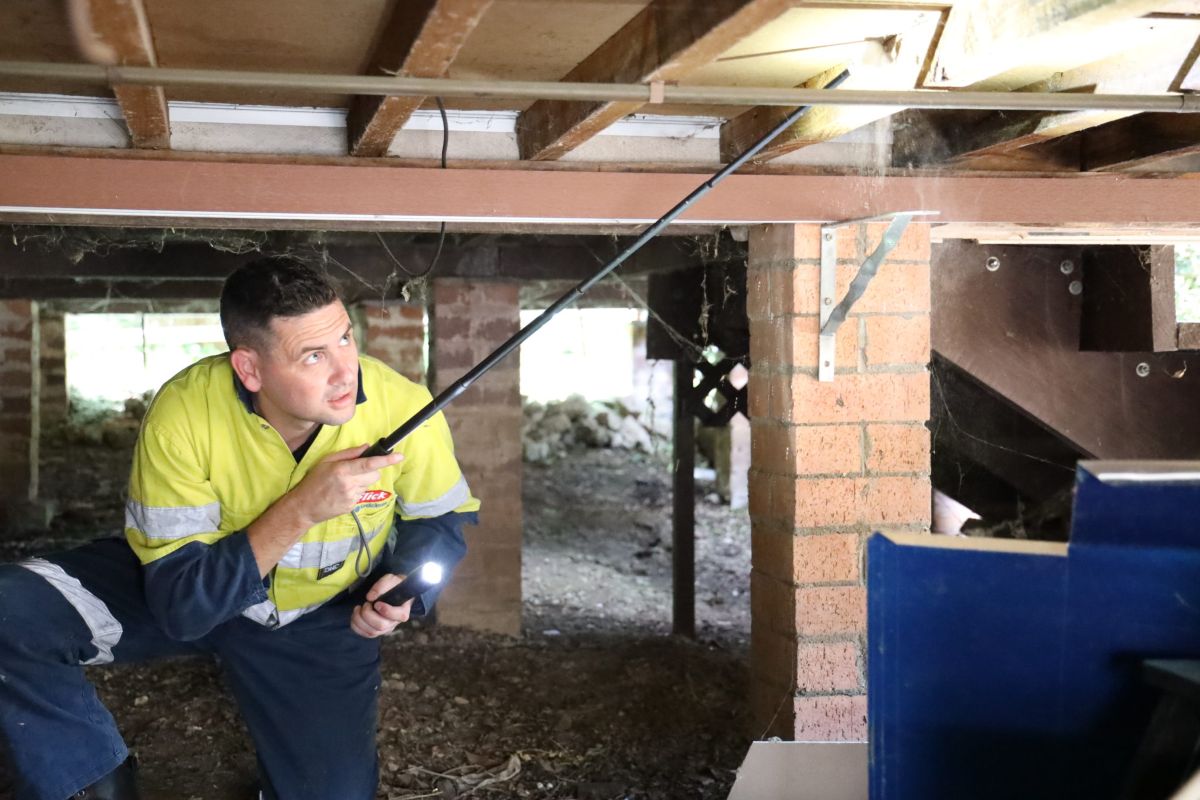
They cannot confirm barrier performance just by looking at it. The most reliable method is scheduled professional inspections that check for breaches, conducive conditions, and any termite activity around the perimeter.
Inspectors typically look at weep holes, slab edges, subfloor areas, and any points where timber meets the ground. They also assess whether the property has unintentionally bridged the protection.
How often should termite inspections be done in Sydney?
Many Sydney homes are inspected annually, and higher-risk sites may be checked more often. Regular inspections help verify that the termite barrier Sydney installation has not been compromised by weather, pests, or human activity.
Inspections are also the time to spot early warning signs like mudding, damaged timbers, or moisture issues. Catching a breach early is usually far cheaper than repairing structural damage.
What maintenance helps a termite barrier last longer?
Good maintenance keeps the barrier exposed and the building dry. For a longer-lasting termite barrier Sydney installation, they should keep weep holes clear, avoid piling soil or mulch against walls, and fix plumbing leaks fast.
They should also store firewood and timber away from the house and off the ground. If they are unsure what might void protection, an inspector can point out the specific bridging risks on that property.
Other Resources : Soil, Mulch or Loose Fill: Policy | VIC.GOV.AU
When should a chemical barrier be topped up or replaced?
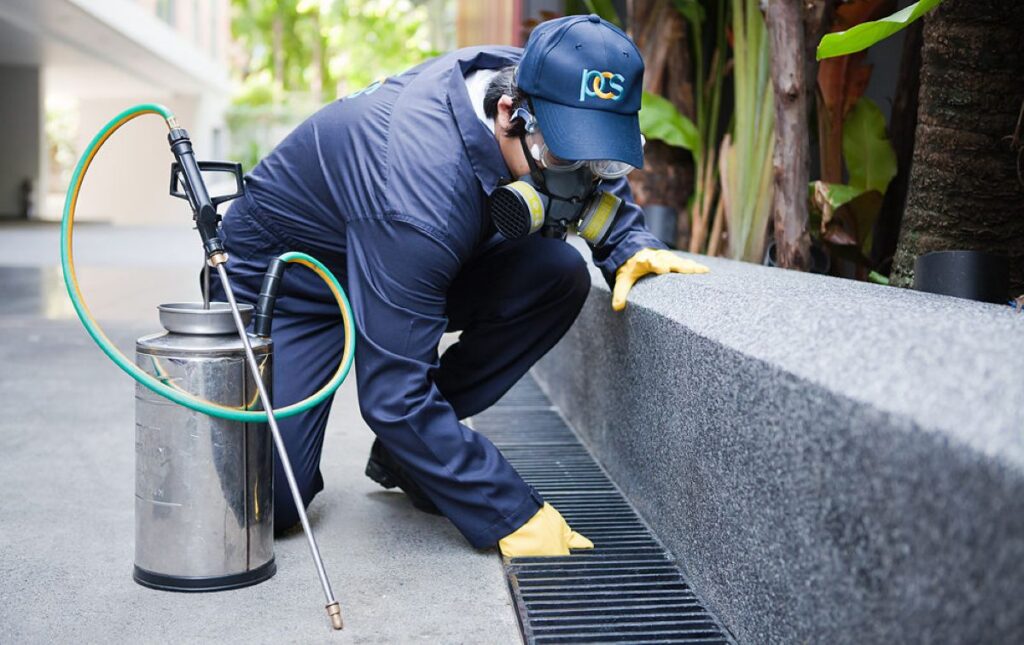
A chemical termite barrier Sydney installation is usually re-treated based on product life, site risk, and inspection findings. If inspections show disturbance, patchy coverage, or increased risk conditions, re-treatment may be recommended earlier than the expected lifespan.
They should also consider re-treatment after major landscaping or drainage works. Waiting until termites are found is not a strategy, because barriers are preventative, not a cure.
Is a “lifetime” termite barrier claim realistic?
“Lifetime” claims usually depend on conditions, paperwork, and ongoing inspections rather than a barrier that never degrades. Even a durable physical termite barrier Sydney installation can be bypassed if the home is modified or bridging happens.
They should read any warranty terms carefully and keep documentation. Warranties often require scheduled inspections and proof the barrier has not been disturbed.
What’s the best way to choose the right barrier lifespan for their home?
They should match the barrier to the property’s risk profile, build type, and future plans. If they expect renovations, a system that is easier to maintain or re-dose may be practical, even if its base life is shorter.
A pest manager can recommend an approach after assessing subfloor access, drainage, surrounding trees, and how the slab edge is exposed. The aim is not just a long-lasting product, but a barrier that stays intact in real Sydney living conditions.
How long does a termite barrier Sydney installation last compared with baiting systems?
A termite barrier Sydney installation is designed to block or deter entry across a defined zone, while baiting focuses on monitoring and colony suppression. Barriers tend to have predictable renewal windows, while baiting is ongoing by design.
Some Sydney homes use both, especially in high-risk areas near bushland or with complex construction. Combining systems can add redundancy, but only when inspections and upkeep are consistent.
What should they do next if their barrier is ageing?
They should book an inspection and ask for a clear assessment of remaining life, site risks, and whether any bridging has occurred. If the report suggests re-treatment, they can request options and timelines rather than guessing.
A smart next step is confirming what system they have, when it was installed, and whether any work since then may have affected it. That clarity helps them plan before protection quietly expires.
Related : Why Pest Control Blue Mountains Properties Need Different Approaches