How Long Does Pest Treatment Sydney Protection Usually Last?
Pest control protection never lasts “forever”, but it should last long enough to break the pest cycle and keep a home stable between visits. How long it holds in Sydney usually depends on the pest type, the product used, and how the property is managed after the treatment.
For anyone booking Pest Treatment Sydney, the practical question is simple: how many weeks or months of cover should they expect before pests start showing up again?
How long does Pest Treatment Sydney protection usually last in a typical home?
In many Sydney homes, general pest protection commonly lasts around 3 to 6 months, depending on surfaces, weather, and pest pressure. Some treatments can hold longer in low-pressure environments, while high-activity areas may need earlier follow-ups.
With Pest Treatment Sydney, protection tends to last longer indoors where products are not hit by UV, rain, and heavy cleaning. Outdoor barrier zones around doors, weep holes, and perimeter walls often wear down faster.
Does the type of pest change how long the protection lasts?
Yes, different pests respond differently and re-infest at different speeds. A treatment that works well for cockroaches may not provide meaningful control for termites, and rodents often need ongoing prevention rather than a single spray.
When providers plan Pest Treatment Sydney, they usually tailor it by pest species, seasonal trends, and where activity is being seen. That is why “how long it lasts” is best measured against the exact pest they are treating.
How long does Pest Treatment Sydney protection last for cockroaches?
Cockroach control commonly lasts 3 to 6 months, but kitchens and warm utility areas can shorten that timeframe. If there is strong harbourage, poor sealing, or high moisture, activity can return sooner.
A well-executed Pest Treatment Sydney cockroach service often uses a mix of targeted sprays, baits, and crack-and-crevice work. Baits can keep working beyond the initial visit, but heavy cleaning around bait points can reduce results.
How long does Pest Treatment Sydney protection last for ants?
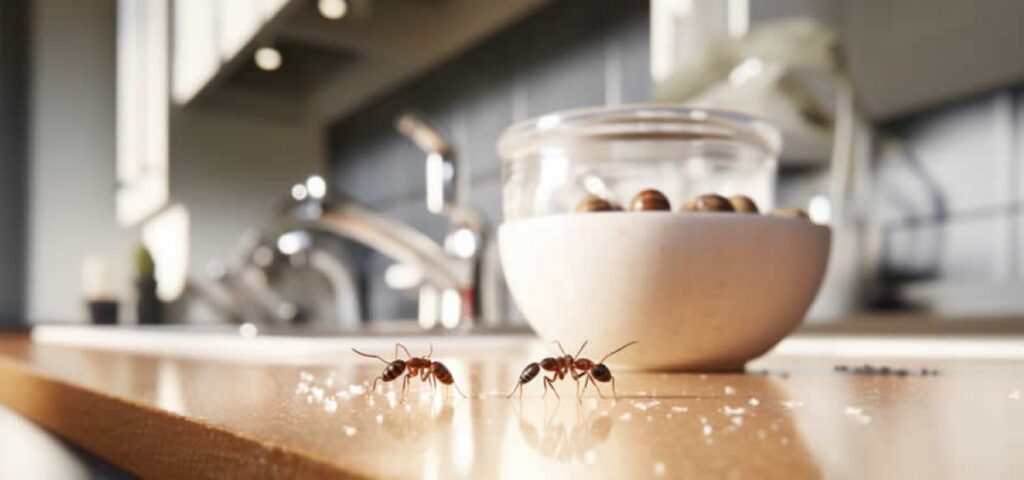
Ant control often lasts a few weeks to a few months, depending on the colony and whether the nest is reached. If the queen and nest structure remain active, ants can re-route and return.
With Pest Treatment Sydney, longer-lasting ant results usually come from correct identification and nest-focused strategies. If they only treat visible trails, they may see fast relief but shorter protection.
How long does Pest Treatment Sydney protection last for spiders?
Spider treatments often provide 3 to 6 months of reduced activity, sometimes longer indoors. Outdoors, webs can rebuild quickly if lights attract insects and the exterior barrier degrades.
In Pest Treatment Sydney, spider control is often improved by reducing insect prey, sealing entry points, and keeping eaves and corners clean. If their property has lots of foliage against walls, reappearance is more likely.
How long does Pest Treatment Sydney protection last for rodents?
Rodent “protection” is usually not a set duration like a spray residual. Control can be quick, but prevention is ongoing because new rodents can enter from neighbouring properties, roofs, or subfloors.
A quality Pest Treatment Sydney rodent approach tends to include baiting or trapping plus exclusion and hygiene changes. Without proofing gaps and managing food sources, rodents can return within weeks.
How long does Pest Treatment Sydney protection last for termites?
Termite protection varies widely because it depends on the method and the property’s construction. Chemical soil barriers can last for years when correctly installed, while baiting systems require ongoing monitoring and maintenance.
Even with Pest Treatment Sydney termite work, they should not assume they are “safe” without inspections. In Australia, termite management is typically a long-term plan, not a one-off event.
Does the product used affect how long the protection lasts?
Yes, product type and formulation can change how long residues remain effective on a surface. Some modern products are designed to bind to surfaces for longer, while others are meant for quick knockdown.
In Pest Treatment Sydney, providers may use different products for internal skirting areas versus external perimeter zones. The same home can have different “lasting times” depending on where the product is applied.
Can Sydney weather shorten how long Pest Treatment Sydney lasts?
Yes, Sydney’s rain, humidity, and UV exposure can reduce the life of outdoor treatments. Heavy rain can wash exterior barriers, and strong sun can degrade residues faster.
With Pest Treatment Sydney, they often see longer protection in covered areas like under eaves, garages, and sheltered entryways. Open, sun-exposed brick and concrete perimeters usually need more frequent reapplication.
Do cleaning habits and renovations affect how long Pest Treatment Sydney protection lasts?
Yes, frequent mopping, harsh detergents, and pressure washing can remove residues, especially near skirting boards and entry points. Renovations can also disturb harbourages and reopen access points.
After Pest Treatment Sydney, they usually get better longevity by avoiding deep cleaning of treated edges for the period advised by the provider. If they repaint, re-tile, or replace skirting, it is worth asking whether touch-ups are needed.
Does the home’s layout and condition influence how long protection lasts?
Yes, older homes, subfloors, roof voids, and properties with lots of gaps can shorten effective protection. High-clutter storage zones can also create harbourage that pesticides do not reach.
A thorough Pest Treatment Sydney service works best when combined with sealing, decluttering, and moisture management. If their property backs onto bushland or has dense gardens against walls, pest pressure is often higher. Check out more about Mould removal at home.
How can they make Pest Treatment Sydney protection last longer?
They can extend results by reducing food, water, and shelter that pests rely on. Small changes often make a bigger difference than repeating treatments too often.
After Pest Treatment Sydney, common longevity boosters include:
- Sealing gaps around pipes, doors, and weep holes
- Fixing leaks and reducing moisture under sinks and in bathrooms
- Storing pantry goods in sealed containers
- Keeping bins closed and cleaning spills quickly
- Trimming vegetation away from exterior walls
How often should they schedule Pest Treatment Sydney for ongoing protection?
For many households, a 6-month routine is common for general pests, while some choose annual treatments in low-pressure environments. High-activity homes may need quarterly services, especially if they have recurring cockroach or ant issues.
A provider planning Pest Treatment Sydney should base frequency on pest history and the home’s risk factors. If they are near restaurants, shared walls, or construction sites, pests can return sooner.
What are the signs Pest Treatment Sydney protection is wearing off?
The earliest sign is usually increased sightings in “hot spots” like kitchens, laundries, and bathrooms. They might also notice fresh droppings, new trails, or renewed webbing in corners and along fences.
If activity returns gradually, Pest Treatment Sydney protection may be fading naturally. If pests return suddenly within days, it may signal untreated harbourage, reinfestation from a neighbour, or conditions that are still attracting them.
Should they expect zero pests after Pest Treatment Sydney?
No, and reputable providers generally set expectations that occasional sightings can happen, especially outdoors. The goal is reduced activity, controlled breeding, and prevention of established infestations.
With Pest Treatment Sydney, they should judge success by trend and intensity, not perfection. If numbers are dropping and hotspots stay quiet, the protection is usually doing its job.
See Also : Sydney Pest Inspections Typically Cover These Key Property Areas
When should they book a re-treat or follow-up?
They should book a follow-up if pests persist beyond the expected settling period, or if activity increases after an initial improvement. Many general pest services also include advice on whether a targeted revisit is needed.
For Pest Treatment Sydney, timing matters. If they wait until an infestation is obvious again, it can take longer and cost more to regain control than if they act early.
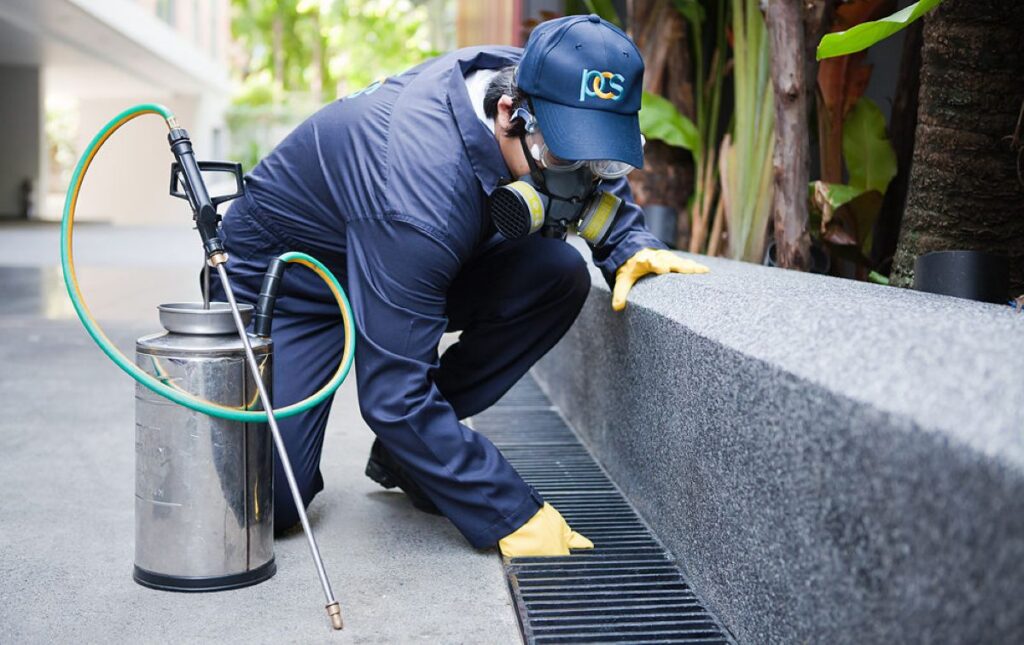
What should they ask a Sydney pest controller to estimate how long protection will last?
They should ask questions that link the treatment to their home, not generic timeframes. The best estimates come from site conditions, pest evidence, and the exact products and application zones.
Useful questions for Pest Treatment Sydney include:
- Which pests is the treatment designed to control, and for how long?
- Which areas are treated indoors and outdoors?
- What could reduce the residual life at their property?
- Is there a warranty or service period, and what does it cover?
- What changes should they make to extend results?
What is a realistic takeaway on how long protection lasts?
Most Sydney households can expect general pest protection to hold for months, not weeks, when the treatment is matched to the pest and the property supports it. Outdoor zones often fade sooner than indoor areas, and termites and rodents follow different rules entirely.
For Pest Treatment Sydney, the most reliable “lasting” result usually comes from a simple combo: a solid initial service, practical home maintenance, and a sensible schedule based on risk.
How Long Does Pest Treatment Sydney Protection Usually Last? Read More »