
Pest issues in the Blue Mountains are rarely “one-size-fits-all”. Because of altitude, bushland density, rainfall, and common building styles, Pest Control Blue Mountains work often needs a different plan than a typical Sydney suburban job.
For locals, that difference shows up in where pests enter, how fast moisture builds up, and how quickly seasonal conditions shift. The right method is usually the one that fits the microclimate, not just the postcode.
Why do Blue Mountains conditions change pest behaviour?
Blue Mountains weather is cooler, wetter, and more variable, and pests respond directly to that. In many areas, higher humidity supports cockroaches, ants, and silverfish, while colder nights push rodents to seek warmth indoors.
Dense vegetation also creates sheltered corridors for movement. This is why Pest Control Blue Mountains inspections often focus as much on outside harborage as they do on internal activity.
What makes bushland edges and leaf litter a bigger risk?
Many properties back onto reserves, gullies, or thick garden beds that hold moisture and cover. Leaf litter, timber piles, and mulch can shelter spiders, cockroaches, and ants, then funnel them toward door thresholds and subfloor vents.
Technicians doing Pest Control Blue Mountains jobs commonly prioritise habitat reduction and exclusion here, because chemical treatment alone will not stop reinfestation if the yard keeps breeding the problem.
How do older cottages and weatherboard homes affect pest entry?
A lot of homes across Katoomba, Leura, Blackheath, and surrounding villages are older and full of small gaps. Weatherboards can shift, subfloors may be vented, and older window frames often leave pest-friendly cracks.
That means entry points are plentiful for mice, rats, spiders, and cockroaches. With Pest Control Blue Mountains services, sealing and proofing is often as important as spraying, especially before winter.
Why do subfloors, roof voids, and ventilation matter more here?
Cooler temperatures can make pests favour sheltered voids where warmth and nesting material are available. Subfloors with damp soil and roof voids with easy access can become long-term harbourage, particularly for rodents and possums.
Good Pest Control Blue Mountains planning typically includes checking vents, pipe penetrations, and stored items in voids. If airflow is poor, moisture can spike and attract insects that thrive in damp conditions.
Are termites a different challenge in the Blue Mountains?
Termites are a risk across NSW, but the Blue Mountains can add complexity through moisture, timber landscaping, and concealed access points. Where gardens meet weatherboards or decks, termites can bridge into the home without obvious mudding.
In many cases, Pest Control Blue Mountains termite work needs a mix of monitoring, moisture management, and targeted barriers. They will often recommend maintaining clearance between soil and timber, plus regular inspections suited to the property’s exposure.
How do heavy rain and damp winters influence infestations?
Rainfall and damp winters can drive pests inside, while also increasing mould and moisture that supports insects. Ants may relocate nests, cockroaches look for dry shelter, and rodents chase warmth and food sources.
This is why Pest Control Blue Mountains scheduling often changes seasonally. Follow-up timing, bait placement, and exterior treatments may be adjusted to suit wet periods so products remain effective and entry points are addressed early.
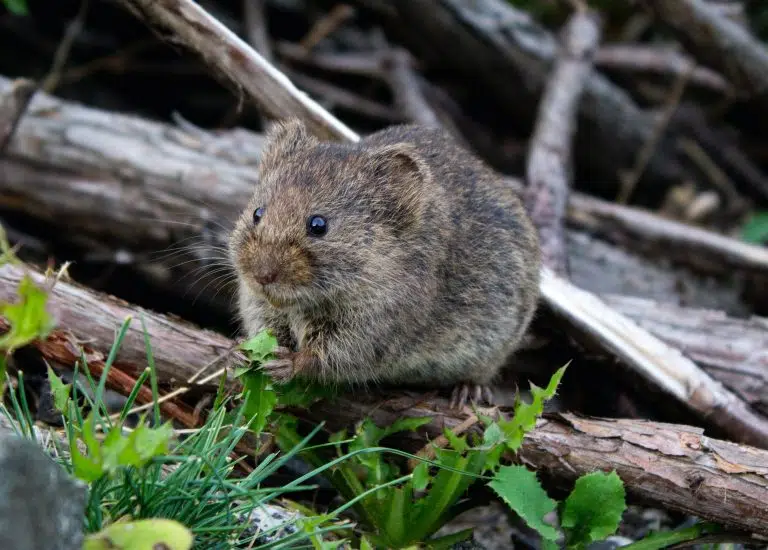
Why do rodents become a bigger issue in colder months?
As temperatures drop, mice and rats become more determined to access roof voids, wall cavities, and pantries. They can enter through surprisingly small gaps around pipes, weepholes, garage corners, and older cladding.
A strong Pest Control Blue Mountains rodent approach usually combines baiting with proofing, plus advice on storage and waste handling. Without sealing, rodents can keep cycling through even after a successful initial knockdown.
What pests are most common around Blue Mountains gardens?
Gardens that are lush and well-watered can support a steady pest population. Ants, spiders, wasps, and cockroaches are frequent, and outdoor lighting can attract insects that then draw predators closer to doors and windows.
Because many properties blend into bushland, Pest Control Blue Mountains treatments often include perimeter work and habitat changes. They may also suggest trimming vegetation away from walls and reducing moisture-holding ground cover near the home.
How do short-stay and holiday rentals change pest control needs?
Holiday homes can sit empty, then fill quickly, which changes how pests behave and how quickly issues are noticed. A single unnoticed gap or a small leak can become a larger problem if nobody is there to spot droppings or activity.
For these properties, Pest Control Blue Mountains programs often lean toward preventative schedules. They also focus on protecting linen storage, kitchens, and entryways, where guest use can unintentionally introduce food crumbs and packaging pests.
Why is “general spray” often not enough for Blue Mountains homes?
A general spray may reduce visible pests, but it may not solve the cause in a high-vegetation, high-moisture environment. If the home has multiple access points, damp subfloors, or heavy leaf litter, pests can return quickly.
This is why Pest Control Blue Mountains providers often recommend integrated pest management. That can include proofing, targeted baits, exterior barrier treatments, and practical property changes that remove shelter and moisture.
What should a property-specific plan include?
A tailored plan should start with inspection, then match methods to the structure, the block, and the season. The goal is to reduce pest pressure outdoors, block entry, and treat active sites without over-relying on one product type.
Most Pest Control Blue Mountains plans will include:
- An exterior assessment of leaf litter, timber storage, and vegetation contact
- Checks of roof voids, subfloors, vents, and penetrations
- Proofing recommendations for gaps and damaged screens
- Targeted treatment based on the pest species and moisture levels
- A realistic follow-up schedule aligned to seasonal change

How can they reduce pest pressure between services?
Simple maintenance often prevents repeat infestations. They can focus on keeping pests from settling close to the structure and limiting access to food and water sources.
Useful steps include sealing small gaps, storing pet food in sealed containers, keeping bins closed, reducing leaf litter near walls, and fixing dripping taps or drainage issues. In many cases, these changes make Pest Control Blue Mountains treatments last longer and work better.
When should they call a professional instead of DIY?
They should call a licensed technician when pests keep returning, when there are signs of rodents in roof spaces, when they suspect termites, or when stings and bites are a risk. DIY products can miss the nest, be washed away by rain, or fail to address entry points.
Professionals can identify species, locate harbourage, and choose treatments that suit local conditions. For many households, that is the difference between repeated callouts and a stable result with Pest Control Blue Mountains support.
More to Read : When Should You Call A Rodent Exterminator Sydney Team?