David Coursey

pest control blue mountains

Why Pest Control Blue Mountains Properties Need Different Approaches

Pest issues in the Blue Mountains are rarely “one-size-fits-all”. Because of altitude, bushland density, rainfall, and common building styles, Pest Control Blue Mountains work often needs a different plan than a typical Sydney suburban job.

For locals, that difference shows up in where pests enter, how fast moisture builds up, and how quickly seasonal conditions shift. The right method is usually the one that fits the microclimate, not just the postcode.

Why do Blue Mountains conditions change pest behaviour?

Blue Mountains weather is cooler, wetter, and more variable, and pests respond directly to that. In many areas, higher humidity supports cockroaches, ants, and silverfish, while colder nights push rodents to seek warmth indoors.

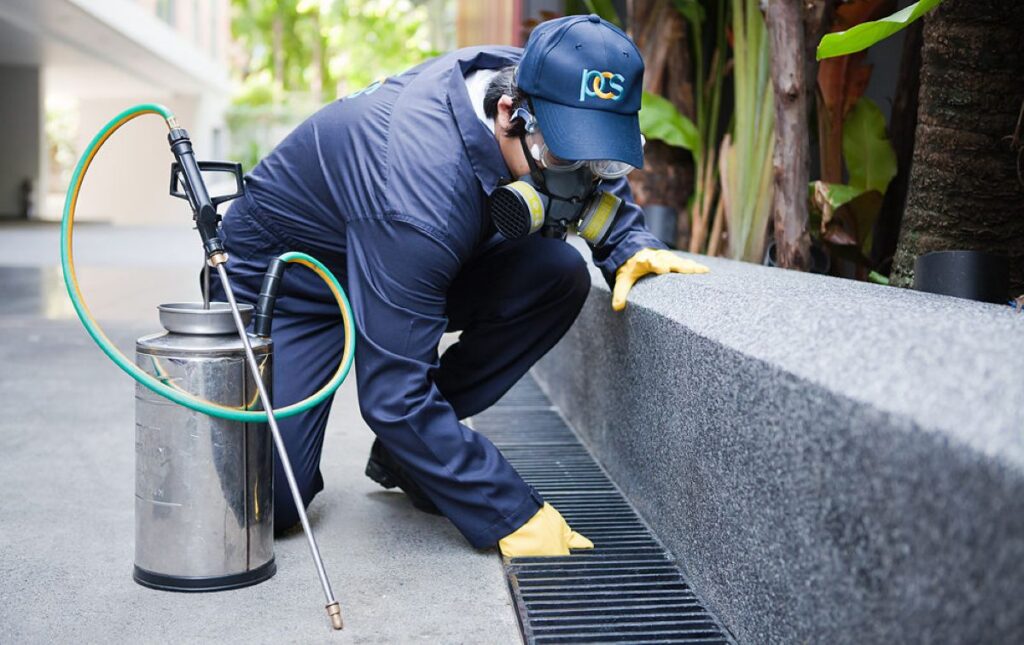
Dense vegetation also creates sheltered corridors for movement. This is why Pest Control Blue Mountains inspections often focus as much on outside harborage as they do on internal activity.

What makes bushland edges and leaf litter a bigger risk?

Many properties back onto reserves, gullies, or thick garden beds that hold moisture and cover. Leaf litter, timber piles, and mulch can shelter spiders, cockroaches, and ants, then funnel them toward door thresholds and subfloor vents.

Technicians doing Pest Control Blue Mountains jobs commonly prioritise habitat reduction and exclusion here, because chemical treatment alone will not stop reinfestation if the yard keeps breeding the problem.

How do older cottages and weatherboard homes affect pest entry?

A lot of homes across Katoomba, Leura, Blackheath, and surrounding villages are older and full of small gaps. Weatherboards can shift, subfloors may be vented, and older window frames often leave pest-friendly cracks.

That means entry points are plentiful for mice, rats, spiders, and cockroaches. With Pest Control Blue Mountains services, sealing and proofing is often as important as spraying, especially before winter.

Why do subfloors, roof voids, and ventilation matter more here?

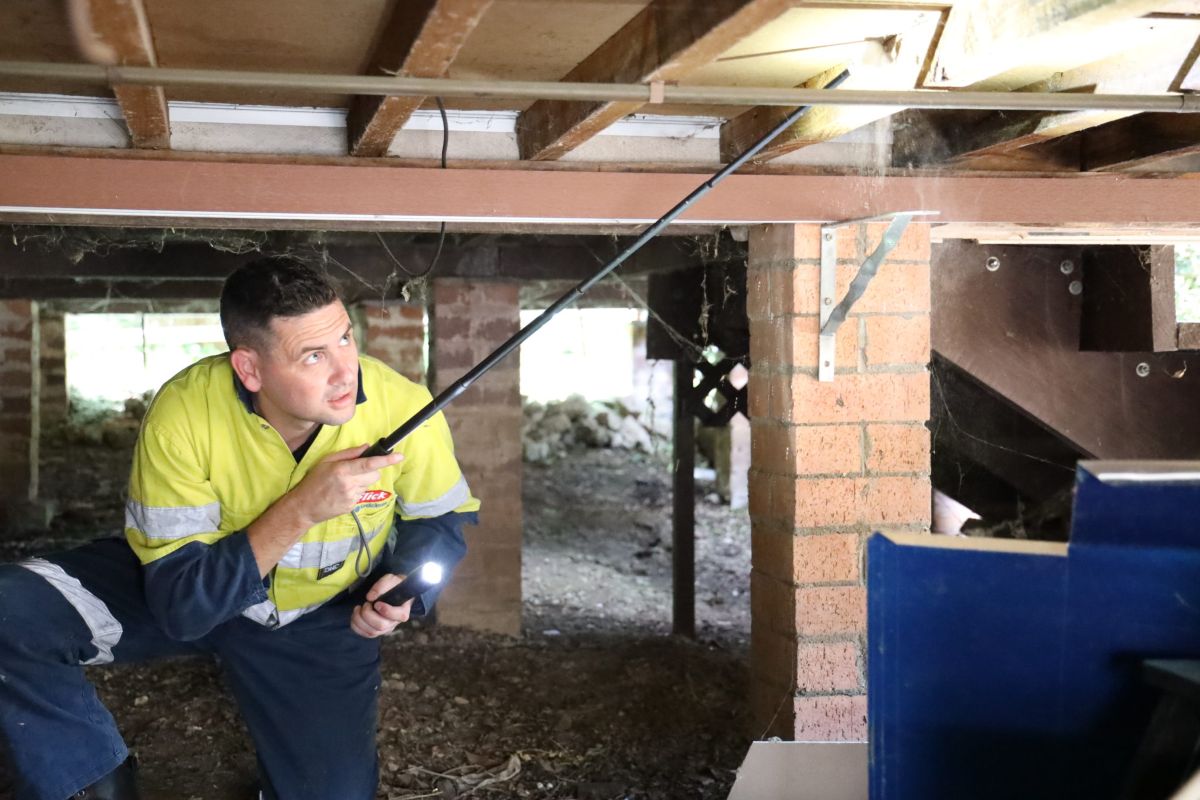
Cooler temperatures can make pests favour sheltered voids where warmth and nesting material are available. Subfloors with damp soil and roof voids with easy access can become long-term harbourage, particularly for rodents and possums.

Good Pest Control Blue Mountains planning typically includes checking vents, pipe penetrations, and stored items in voids. If airflow is poor, moisture can spike and attract insects that thrive in damp conditions.

Are termites a different challenge in the Blue Mountains?

Termites are a risk across NSW, but the Blue Mountains can add complexity through moisture, timber landscaping, and concealed access points. Where gardens meet weatherboards or decks, termites can bridge into the home without obvious mudding.

In many cases, Pest Control Blue Mountains termite work needs a mix of monitoring, moisture management, and targeted barriers. They will often recommend maintaining clearance between soil and timber, plus regular inspections suited to the property’s exposure.

How do heavy rain and damp winters influence infestations?

Rainfall and damp winters can drive pests inside, while also increasing mould and moisture that supports insects. Ants may relocate nests, cockroaches look for dry shelter, and rodents chase warmth and food sources.

This is why Pest Control Blue Mountains scheduling often changes seasonally. Follow-up timing, bait placement, and exterior treatments may be adjusted to suit wet periods so products remain effective and entry points are addressed early.

pest control blue mountains

Why do rodents become a bigger issue in colder months?

As temperatures drop, mice and rats become more determined to access roof voids, wall cavities, and pantries. They can enter through surprisingly small gaps around pipes, weepholes, garage corners, and older cladding.

A strong Pest Control Blue Mountains rodent approach usually combines baiting with proofing, plus advice on storage and waste handling. Without sealing, rodents can keep cycling through even after a successful initial knockdown.

What pests are most common around Blue Mountains gardens?

Gardens that are lush and well-watered can support a steady pest population. Ants, spiders, wasps, and cockroaches are frequent, and outdoor lighting can attract insects that then draw predators closer to doors and windows.

Because many properties blend into bushland, Pest Control Blue Mountains treatments often include perimeter work and habitat changes. They may also suggest trimming vegetation away from walls and reducing moisture-holding ground cover near the home.

How do short-stay and holiday rentals change pest control needs?

Holiday homes can sit empty, then fill quickly, which changes how pests behave and how quickly issues are noticed. A single unnoticed gap or a small leak can become a larger problem if nobody is there to spot droppings or activity.

For these properties, Pest Control Blue Mountains programs often lean toward preventative schedules. They also focus on protecting linen storage, kitchens, and entryways, where guest use can unintentionally introduce food crumbs and packaging pests.

Why is “general spray” often not enough for Blue Mountains homes?

A general spray may reduce visible pests, but it may not solve the cause in a high-vegetation, high-moisture environment. If the home has multiple access points, damp subfloors, or heavy leaf litter, pests can return quickly.

This is why Pest Control Blue Mountains providers often recommend integrated pest management. That can include proofing, targeted baits, exterior barrier treatments, and practical property changes that remove shelter and moisture.

What should a property-specific plan include?

A tailored plan should start with inspection, then match methods to the structure, the block, and the season. The goal is to reduce pest pressure outdoors, block entry, and treat active sites without over-relying on one product type.

Most Pest Control Blue Mountains plans will include:

  • An exterior assessment of leaf litter, timber storage, and vegetation contact
  • Checks of roof voids, subfloors, vents, and penetrations
  • Proofing recommendations for gaps and damaged screens
  • Targeted treatment based on the pest species and moisture levels
  • A realistic follow-up schedule aligned to seasonal change
pest control blue mountains

How can they reduce pest pressure between services?

Simple maintenance often prevents repeat infestations. They can focus on keeping pests from settling close to the structure and limiting access to food and water sources.

Useful steps include sealing small gaps, storing pet food in sealed containers, keeping bins closed, reducing leaf litter near walls, and fixing dripping taps or drainage issues. In many cases, these changes make Pest Control Blue Mountains treatments last longer and work better.

When should they call a professional instead of DIY?

They should call a licensed technician when pests keep returning, when there are signs of rodents in roof spaces, when they suspect termites, or when stings and bites are a risk. DIY products can miss the nest, be washed away by rain, or fail to address entry points.

Professionals can identify species, locate harbourage, and choose treatments that suit local conditions. For many households, that is the difference between repeated callouts and a stable result with Pest Control Blue Mountains support.

More to Read : When Should You Call A Rodent Exterminator Sydney Team?

Why Pest Control Blue Mountains Properties Need Different Approaches Read More »
sydney rodent exterminator

When Should You Call A Rodent Exterminator Sydney Team?

Most people wait too long because they hope the problem will “sort itself out”. In Sydney homes and businesses, rodents rarely leave on their own, so the safer move is to call a rodent exterminator Sydney team as soon as there are clear signs.

This guide breaks down the moments when they should stop DIY efforts, protect the property, and bring in qualified help.

When do the first signs mean they need a professional right away?

They should act fast when there are droppings, fresh gnaw marks, or scratching sounds in walls or ceilings. Those signs usually mean rodents are already nesting, not just passing through, so a Sydney rodent exterminator team can identify entry points and stop the spread.

In Sydney’s built-up suburbs, rodents move quickly between roof voids, garages, and adjoining walls. Early intervention is usually cheaper and less disruptive.

What noises at night suggest rodents are active in the roof or walls?

Scurrying, scratching, or thumping after dark often points to rats moving through insulation or wall cavities. If the sounds repeat across multiple nights, they should call a rodent exterminator Sydney team because the activity is likely established.

Roof spaces in many Sydney homes provide warmth and shelter, especially during cooler months. Waiting often means more damage to wiring, timber, and insulation.

How can they tell if droppings mean a growing infestation?

A few droppings can become dozens within days, especially near cupboards, pantries, pet food, or behind appliances. If droppings appear repeatedly after cleaning, they should bring in a rodent exterminator Sydney team to confirm the species and scale.

Droppings in living areas also raise hygiene risks. In family homes, childcare settings, and food premises, quick professional action matters.

When do chew marks become a serious safety issue?

Chewed packaging is annoying, but gnawed electrical wiring can become dangerous. If they see bite marks on cables, switchboards, or extension cords, they should call a rodent exterminator Sydney team immediately.

Rodents constantly chew to wear down their teeth. In Sydney properties, that can mean damage to stored items, timber framing, and electrical components that increase fire risk.

When should they worry about rodents around food, kitchens, or cafés?

They should never treat rodents around food prep as a minor issue. If there are droppings in cupboards, gnaw marks on stored food, or rodents seen near bins, a rodent exterminator Sydney team is the right next step.

For Sydney cafés, restaurants, and takeaway shops, rodents can trigger complaints, lost trade, and compliance problems. Professional help also supports better documentation of actions taken.

What smells suggest hidden rodents or a dead animal?

A strong ammonia smell can indicate urine build-up, while a sudden foul odour can mean a dead rodent in a wall, subfloor, or roof cavity. If smells linger or worsen, they should contact a rodent exterminator Sydney team to locate the source safely.

Masking odours rarely works. Proper removal, sanitising advice, and prevention steps reduce the chance of repeat issues.

When does seeing one mouse or rat mean there are more?

If they see one rodent during daylight, it often signals overcrowding or a shortage of food in the nest. In that situation, they should assume more are present and call a rodent exterminator Sydney team.

Rodents are good at staying hidden. In dense Sydney neighbourhoods, infestations can spread between properties, so addressing the root cause matters.

sydney rodent exterminator

When should they stop using baits and traps and call experts?

They should stop DIY when traps keep catching rodents but the activity never ends, or when baits are being taken with no clear reduction. A rodent exterminator Sydney team can assess harbourage areas, track movement, and use a structured approach rather than guesswork.

DIY baiting can also be risky around kids, pets, and wildlife. Professionals can advise on safer placement, exclusion, and monitoring.

How do pets, kids, and wildlife change the decision to call a professional?

If there are toddlers, dogs, cats, or access to native wildlife, they should avoid improvised baiting. A rodent exterminator Sydney team can design a safer program and recommend exclusion work that reduces reliance on toxins.

Sydney backyards often attract birds, possums, and other wildlife. A careful, targeted plan helps reduce unintended harm while still resolving the rodent problem.

Other Resources : Health promotion and health protection

When do repeat infestations mean the house has entry point problems?

If rodents return every few months, the property likely has gaps, broken vents, damaged weep holes, or unsealed pipe penetrations. They should call a rodent exterminator Sydney team to locate and prioritise entry points.

Repeat issues are common in older Sydney homes, terraces, and properties with extensions. Sealing and proofing, alongside control, is usually what breaks the cycle.

What seasonal triggers in Sydney make rodent activity spike?

Rodent activity often rises during cooler and wetter periods when they seek warmth and steady food sources indoors. If they notice new noises or droppings during seasonal shifts, they should contact a rodent exterminator Sydney team before nesting becomes established.

Stormwater issues, overflowing bins, and nearby construction can also push rodents into roof voids and garages. A timely response reduces the chance of a prolonged problem.

When should strata, landlords, and property managers get involved?

They should act as soon as rodents affect shared walls, ceiling cavities, bin rooms, or common areas. In many apartment blocks and townhouses, a rodent exterminator Sydney team can coordinate treatment across units to prevent rodents moving next door.

For landlords and property managers, early action protects the asset and reduces disputes. Documented inspections and follow-up also help show reasonable steps were taken.

What should they expect during a professional rodent visit?

They can expect inspection first, then a plan that matches the building type and risk level. A rodent exterminator Sydney team will typically look for entry points, rub marks, droppings, nesting material, and signs of roof or subfloor activity.

They may recommend a mix of trapping, baiting where appropriate, and proofing guidance. Good operators also explain what residents should do next, like improving food storage and reducing clutter.

How quickly should they call if they suspect rats in the roof?

They should call within days, not weeks. A rodent exterminator Sydney team can prevent breeding, insulation damage, and the frustrating cycle of noise that disrupts sleep.

If the property has solar wiring, ducted air conditioning, or older cabling, delays can increase repair costs. Fast action is usually the most cost-effective approach.

sydney rodent exterminator

When is it an emergency that needs same-day help?

They should treat it as urgent if rodents are inside living spaces, if there is visible wiring damage, if a business is food-facing, or if there is a suspected dead rodent smell spreading through the home. In those cases, a rodent exterminator Sydney team can triage the situation and reduce immediate risk.

They should also act quickly if there are vulnerable occupants, such as infants, elderly residents, or anyone with respiratory sensitivities.

What simple checklist can they use to decide today?

They should call if two or more of these are true: fresh droppings, night noises, gnaw marks, repeat sightings, pet agitation near walls, or a persistent urine smell. If any safety concern exists, they should not wait and should contact a rodent exterminator Sydney team.

The goal is not just removal. It is stopping re-entry, reducing risk, and restoring confidence that the home or workplace is hygienic and secure.

Related : How Long Does A Termite Barrier Sydney Installation Last?

When Should You Call A Rodent Exterminator Sydney Team? Read More »

sydney termite barrier

How Long Does A Termite Barrier Sydney Installation Last?

A termite barrier is only as useful as its remaining life. For most homes, the real answer depends on the barrier type, the soil, and how well the property is maintained.

This guide explains typical lifespans in Sydney conditions, what shortens them, and how homeowners can keep protection working for longer.

How long does a termite barrier Sydney installation last in real Sydney conditions?

In Sydney, a Sydney termite barrier installation commonly lasts anywhere from 5 to 15+ years, depending on whether it is a chemical or physical system. The lifespan changes with soil movement, drainage, building works, and how often inspections happen.

A well-installed system with regular checks tends to last closer to the upper end, while neglected sites often lose protection earlier.

What are the different termite barrier types used in Sydney?

Most Sydney properties use either chemical barriers, physical barriers, or a mix of both. The type chosen largely determines how long a termite barrier Sydney installation can keep performing.

Chemical barriers rely on treated soil or reticulation to maintain a protective zone. Physical barriers use materials like stainless-steel mesh or graded stone that termites cannot pass through undetected.

How long do chemical termite barriers typically last in Sydney?

A chemical termite barrier Sydney installation often lasts about 5 to 8 years, but some modern products can perform longer when installed to label rates and protected from disturbance. The actual duration depends on soil type, moisture, and whether the treated zone stays intact.

In wetter or poorly drained areas, chemical breakdown can accelerate. If garden beds cover weep holes or keep soil damp, performance can drop sooner.

How long do physical termite barriers typically last in Sydney?

A physical termite barrier Sydney installation can last 15 to 20+ years because it does not rely on chemicals breaking down over time. Its lifespan is mainly linked to how well it was fitted and whether it is later damaged or bridged.

Physical systems can still fail if renovations create hidden entry points. Even long-life barriers still need regular inspection to confirm termites have not found a route around them.

Can a termite barrier last longer with a reticulation system?

Yes, a reticulation setup can extend the effective life of a chemical termite barrier Sydney installation by allowing replenishment without major trenching. When recharging is done on schedule, the protective zone is easier to maintain.

However, reticulation does not guarantee performance on its own. If pipes are blocked, coverage is uneven, or the site is frequently disturbed, the barrier can still become patchy.

What factors shorten the lifespan of a termite barrier in Sydney?

The biggest lifespan killers are moisture, soil disturbance, and bridging. When conditions change after the termite barrier Sydney installation, termites often exploit the weak spot, not the original treated zone.

Common Sydney examples include new paving, landscaping, leaking downpipes, raised garden beds against brickwork, and storing timber against walls. Even small changes can create an unseen access point.

How does Sydney’s climate affect barrier longevity?

Sydney’s humidity, storm events, and coastal salt exposure can indirectly reduce barrier performance. A termite barrier Sydney installation is more likely to be challenged when damp subfloors, poor drainage, or condensation persist for long periods.

After heavy rain, water can move chemicals through soil unevenly, or create conditions termites prefer. This is why moisture management and ventilation matter as much as the barrier itself.

Do renovations and landscaping reduce how long a termite barrier lasts?

Yes, building works are one of the most common reasons a termite barrier Sydney installation stops working early. Any digging near footings, new plumbing, or changes to paths can disturb treated soil or create new concealed entry points.

Even “minor” projects like new garden edging can bridge the slab edge. If trades are involved, it helps when they know a termite system exists and avoid compromising it.

How can they tell if their termite barrier is still working?

They cannot confirm barrier performance just by looking at it. The most reliable method is scheduled professional inspections that check for breaches, conducive conditions, and any termite activity around the perimeter.

Inspectors typically look at weep holes, slab edges, subfloor areas, and any points where timber meets the ground. They also assess whether the property has unintentionally bridged the protection.

How often should termite inspections be done in Sydney?

Many Sydney homes are inspected annually, and higher-risk sites may be checked more often. Regular inspections help verify that the termite barrier Sydney installation has not been compromised by weather, pests, or human activity.

Inspections are also the time to spot early warning signs like mudding, damaged timbers, or moisture issues. Catching a breach early is usually far cheaper than repairing structural damage.

What maintenance helps a termite barrier last longer?

Good maintenance keeps the barrier exposed and the building dry. For a longer-lasting termite barrier Sydney installation, they should keep weep holes clear, avoid piling soil or mulch against walls, and fix plumbing leaks fast.

They should also store firewood and timber away from the house and off the ground. If they are unsure what might void protection, an inspector can point out the specific bridging risks on that property.

Other Resources : Soil, Mulch or Loose Fill: Policy | VIC.GOV.AU

sydney termite barrier

When should a chemical barrier be topped up or replaced?

A chemical termite barrier Sydney installation is usually re-treated based on product life, site risk, and inspection findings. If inspections show disturbance, patchy coverage, or increased risk conditions, re-treatment may be recommended earlier than the expected lifespan.

They should also consider re-treatment after major landscaping or drainage works. Waiting until termites are found is not a strategy, because barriers are preventative, not a cure.

Is a “lifetime” termite barrier claim realistic?

“Lifetime” claims usually depend on conditions, paperwork, and ongoing inspections rather than a barrier that never degrades. Even a durable physical termite barrier Sydney installation can be bypassed if the home is modified or bridging happens.

They should read any warranty terms carefully and keep documentation. Warranties often require scheduled inspections and proof the barrier has not been disturbed.

What’s the best way to choose the right barrier lifespan for their home?

They should match the barrier to the property’s risk profile, build type, and future plans. If they expect renovations, a system that is easier to maintain or re-dose may be practical, even if its base life is shorter.

A pest manager can recommend an approach after assessing subfloor access, drainage, surrounding trees, and how the slab edge is exposed. The aim is not just a long-lasting product, but a barrier that stays intact in real Sydney living conditions.

How long does a termite barrier Sydney installation last compared with baiting systems?

A termite barrier Sydney installation is designed to block or deter entry across a defined zone, while baiting focuses on monitoring and colony suppression. Barriers tend to have predictable renewal windows, while baiting is ongoing by design.

Some Sydney homes use both, especially in high-risk areas near bushland or with complex construction. Combining systems can add redundancy, but only when inspections and upkeep are consistent.

What should they do next if their barrier is ageing?

They should book an inspection and ask for a clear assessment of remaining life, site risks, and whether any bridging has occurred. If the report suggests re-treatment, they can request options and timelines rather than guessing.

A smart next step is confirming what system they have, when it was installed, and whether any work since then may have affected it. That clarity helps them plan before protection quietly expires.

Related : Why Pest Control Blue Mountains Properties Need Different Approaches

How Long Does A Termite Barrier Sydney Installation Last? Read More »

pest treatment sydney

How Long Does Pest Treatment Sydney Protection Usually Last?

Pest control protection never lasts “forever”, but it should last long enough to break the pest cycle and keep a home stable between visits. How long it holds in Sydney usually depends on the pest type, the product used, and how the property is managed after the treatment.

For anyone booking Pest Treatment Sydney, the practical question is simple: how many weeks or months of cover should they expect before pests start showing up again?

How long does Pest Treatment Sydney protection usually last in a typical home?

In many Sydney homes, general pest protection commonly lasts around 3 to 6 months, depending on surfaces, weather, and pest pressure. Some treatments can hold longer in low-pressure environments, while high-activity areas may need earlier follow-ups.

With Pest Treatment Sydney, protection tends to last longer indoors where products are not hit by UV, rain, and heavy cleaning. Outdoor barrier zones around doors, weep holes, and perimeter walls often wear down faster.

Does the type of pest change how long the protection lasts?

Yes, different pests respond differently and re-infest at different speeds. A treatment that works well for cockroaches may not provide meaningful control for termites, and rodents often need ongoing prevention rather than a single spray.

When providers plan Pest Treatment Sydney, they usually tailor it by pest species, seasonal trends, and where activity is being seen. That is why “how long it lasts” is best measured against the exact pest they are treating.

How long does Pest Treatment Sydney protection last for cockroaches?

Cockroach control commonly lasts 3 to 6 months, but kitchens and warm utility areas can shorten that timeframe. If there is strong harbourage, poor sealing, or high moisture, activity can return sooner.

A well-executed Pest Treatment Sydney cockroach service often uses a mix of targeted sprays, baits, and crack-and-crevice work. Baits can keep working beyond the initial visit, but heavy cleaning around bait points can reduce results.

How long does Pest Treatment Sydney protection last for ants?

Ant control often lasts a few weeks to a few months, depending on the colony and whether the nest is reached. If the queen and nest structure remain active, ants can re-route and return.

With Pest Treatment Sydney, longer-lasting ant results usually come from correct identification and nest-focused strategies. If they only treat visible trails, they may see fast relief but shorter protection.

How long does Pest Treatment Sydney protection last for spiders?

Spider treatments often provide 3 to 6 months of reduced activity, sometimes longer indoors. Outdoors, webs can rebuild quickly if lights attract insects and the exterior barrier degrades.

In Pest Treatment Sydney, spider control is often improved by reducing insect prey, sealing entry points, and keeping eaves and corners clean. If their property has lots of foliage against walls, reappearance is more likely.

How long does Pest Treatment Sydney protection last for rodents?

Rodent “protection” is usually not a set duration like a spray residual. Control can be quick, but prevention is ongoing because new rodents can enter from neighbouring properties, roofs, or subfloors.

A quality Pest Treatment Sydney rodent approach tends to include baiting or trapping plus exclusion and hygiene changes. Without proofing gaps and managing food sources, rodents can return within weeks.

How long does Pest Treatment Sydney protection last for termites?

Termite protection varies widely because it depends on the method and the property’s construction. Chemical soil barriers can last for years when correctly installed, while baiting systems require ongoing monitoring and maintenance.

Even with Pest Treatment Sydney termite work, they should not assume they are “safe” without inspections. In Australia, termite management is typically a long-term plan, not a one-off event.

Does the product used affect how long the protection lasts?

Yes, product type and formulation can change how long residues remain effective on a surface. Some modern products are designed to bind to surfaces for longer, while others are meant for quick knockdown.

In Pest Treatment Sydney, providers may use different products for internal skirting areas versus external perimeter zones. The same home can have different “lasting times” depending on where the product is applied.

Can Sydney weather shorten how long Pest Treatment Sydney lasts?

Yes, Sydney’s rain, humidity, and UV exposure can reduce the life of outdoor treatments. Heavy rain can wash exterior barriers, and strong sun can degrade residues faster.

With Pest Treatment Sydney, they often see longer protection in covered areas like under eaves, garages, and sheltered entryways. Open, sun-exposed brick and concrete perimeters usually need more frequent reapplication.

pest treatment sydney

Do cleaning habits and renovations affect how long Pest Treatment Sydney protection lasts?

Yes, frequent mopping, harsh detergents, and pressure washing can remove residues, especially near skirting boards and entry points. Renovations can also disturb harbourages and reopen access points.

After Pest Treatment Sydney, they usually get better longevity by avoiding deep cleaning of treated edges for the period advised by the provider. If they repaint, re-tile, or replace skirting, it is worth asking whether touch-ups are needed.

Does the home’s layout and condition influence how long protection lasts?

Yes, older homes, subfloors, roof voids, and properties with lots of gaps can shorten effective protection. High-clutter storage zones can also create harbourage that pesticides do not reach.

A thorough Pest Treatment Sydney service works best when combined with sealing, decluttering, and moisture management. If their property backs onto bushland or has dense gardens against walls, pest pressure is often higher. Check out more about Mould removal at home.

How can they make Pest Treatment Sydney protection last longer?

They can extend results by reducing food, water, and shelter that pests rely on. Small changes often make a bigger difference than repeating treatments too often.

After Pest Treatment Sydney, common longevity boosters include:

  • Sealing gaps around pipes, doors, and weep holes
  • Fixing leaks and reducing moisture under sinks and in bathrooms
  • Storing pantry goods in sealed containers
  • Keeping bins closed and cleaning spills quickly
  • Trimming vegetation away from exterior walls

How often should they schedule Pest Treatment Sydney for ongoing protection?

For many households, a 6-month routine is common for general pests, while some choose annual treatments in low-pressure environments. High-activity homes may need quarterly services, especially if they have recurring cockroach or ant issues.

A provider planning Pest Treatment Sydney should base frequency on pest history and the home’s risk factors. If they are near restaurants, shared walls, or construction sites, pests can return sooner.

What are the signs Pest Treatment Sydney protection is wearing off?

The earliest sign is usually increased sightings in “hot spots” like kitchens, laundries, and bathrooms. They might also notice fresh droppings, new trails, or renewed webbing in corners and along fences.

If activity returns gradually, Pest Treatment Sydney protection may be fading naturally. If pests return suddenly within days, it may signal untreated harbourage, reinfestation from a neighbour, or conditions that are still attracting them.

Should they expect zero pests after Pest Treatment Sydney?

No, and reputable providers generally set expectations that occasional sightings can happen, especially outdoors. The goal is reduced activity, controlled breeding, and prevention of established infestations.

With Pest Treatment Sydney, they should judge success by trend and intensity, not perfection. If numbers are dropping and hotspots stay quiet, the protection is usually doing its job.

See Also : Sydney Pest Inspections Typically Cover These Key Property Areas

When should they book a re-treat or follow-up?

They should book a follow-up if pests persist beyond the expected settling period, or if activity increases after an initial improvement. Many general pest services also include advice on whether a targeted revisit is needed.

For Pest Treatment Sydney, timing matters. If they wait until an infestation is obvious again, it can take longer and cost more to regain control than if they act early.

pest treatment sydney

What should they ask a Sydney pest controller to estimate how long protection will last?

They should ask questions that link the treatment to their home, not generic timeframes. The best estimates come from site conditions, pest evidence, and the exact products and application zones.

Useful questions for Pest Treatment Sydney include:

  • Which pests is the treatment designed to control, and for how long?
  • Which areas are treated indoors and outdoors?
  • What could reduce the residual life at their property?
  • Is there a warranty or service period, and what does it cover?
  • What changes should they make to extend results?

What is a realistic takeaway on how long protection lasts?

Most Sydney households can expect general pest protection to hold for months, not weeks, when the treatment is matched to the pest and the property supports it. Outdoor zones often fade sooner than indoor areas, and termites and rodents follow different rules entirely.

For Pest Treatment Sydney, the most reliable “lasting” result usually comes from a simple combo: a solid initial service, practical home maintenance, and a sensible schedule based on risk.

How Long Does Pest Treatment Sydney Protection Usually Last? Read More »

sydney pest inspections

Sydney Pest Inspections Typically Cover These Key Property Areas

When a home or investment property is checked for pests, the result is only as good as the areas actually inspected. Sydney pest inspections typically follow a practical, room by room approach that targets places where termites, rodents, cockroaches, ants, spiders, and stored product pests are most likely to hide.

In Sydney, inspections also reflect local risk factors such as coastal humidity, older timber homes, and high density living. Sydney pest inspections are designed to find active pest issues and conditions that could attract them later.

What do Sydney pest inspections usually include overall?

They usually include a visual inspection of accessible areas inside and outside the property, plus attention to moisture, timber contact, and entry points. In many cases, the inspector also notes conducive conditions and provides recommendations to reduce risk.

Because access varies between apartments, terraces, and freestanding homes, Sydney pest inspections often list any limitations, such as blocked subfloors, high roof voids, or stored items covering key walls.

Why do inspectors focus so heavily on the subfloor and under house areas?

They focus there because subfloors can hide termite activity, damp conditions, and timber decay without obvious signs upstairs. A dark, humid under house space is one of the easiest places for pests to remain undisturbed.

In Sydney’s older homes, the subfloor can also contain untreated timber, poor drainage, or leaking plumbing. Sydney pest inspections commonly assess ventilation, soil levels, ant capping condition, and any timbers in contact with the ground.

What do they look for in the roof void and ceiling spaces?

They check roof voids because rodents, possums, and some bird related issues often start there. The roof space can also reveal moisture problems that support mould and timber pests.

They may look for droppings, nesting material, gnaw marks, damaged insulation, and access points near eaves. Sydney pest inspections often include notes on roof leaks, condensation, or poor ventilation because moisture is a key driver for termites and cockroaches.

Which interior rooms get the most attention during the inspection?

Kitchens, bathrooms, laundries, and any wet areas get close attention because water sources raise pest risk quickly. They are also high traffic areas where small signs like droppings or smear marks may appear first.

Inspectors often check cupboards, kickboards, sinks, shower recesses, and plumbing penetrations. In many homes, Sydney pest inspections identify leaking traps, poorly sealed pipe entries, or damp cabinetry that can attract cockroaches and ants.

How are garages, basements, and storage rooms typically checked?

They are checked because clutter and stored cardboard provide harbourage for cockroaches, spiders, and rodents. Garages also commonly have gaps under doors and around service penetrations.

Inspectors often scan corners, wall junctions, roller door edges, and stored items near external walls. Sydney pest inspections may also highlight stored timber, firewood, or garden materials placed against walls as a risk factor for termites and ants.

What do they inspect around doors, windows, and internal entry points?

They inspect these areas because most pests enter through small gaps rather than appearing from nowhere. Even a slight misalignment in a door seal can be enough for cockroaches and rodents.

They may check weather seals, flyscreens, weep holes, and cable or pipe penetrations. Sydney pest inspections commonly note whether sealing improvements would reduce pest entry and whether vents are screened appropriately.

What do they cover outside the home and around the building perimeter?

They cover the perimeter because many pest issues begin outdoors before moving inside. Termites, ants, spiders, and rodents often follow edges, pipes, and landscaping lines toward the structure.

They typically inspect external walls, slab edges, brick weepholes, steps, verandahs, and attached structures like pergolas. Sydney pest inspections often include observations about garden beds against walls, wood to soil contact, and poor drainage points.

How do fences, retaining walls, decks, and pergolas fit into the inspection?

They matter because attached timber structures can act as bridges for termites and shelter for other pests. Retaining walls and fences can also conceal termite leads and allow moisture to build up.

Inspectors may check posts, bearer ends, timber cladding, and any points where timber meets soil. Sydney pest inspections often flag untreated timber, soil build up against posts, and landscaping that blocks visual access to slab edges.

What do they look for in gardens, trees, and landscaping features?

They look for conditions that support nesting and moisture, not just pests themselves. Mulch, dense ground cover, and stored timber can create ideal shelter for termites and rodents.

They may also assess trees that overhang roofs, garden irrigation overspray, and damp zones near downpipes. In many reports, Sydney pest inspections recommend maintaining clear inspection zones and keeping soil and mulch below weepholes.

Other Resources : Mulch and Native Plants

How are termite risk areas assessed specifically?

They assess termite risk by looking for active workings and for the conditions that make termites more likely. In Sydney, subterranean termites are the most common concern, so ground contact and hidden moisture are key themes.

They may check slab penetrations, expansion joints, subfloor timbers, and external perimeters for mud leads. Sydney pest inspections typically record whether a termite management system is present, its condition, and any visible bridging issues.

What signs of rodents and cockroaches do they commonly document?

They document evidence because many infestations are confirmed through droppings, smear marks, egg cases, and gnawing rather than live sightings. Activity can be intermittent, especially if a property has been vacant.

Inspectors often check behind appliances, inside cupboards, in roof voids, and along skirting lines. Sydney pest inspections commonly note likely access points, including gaps under doors, unsealed vents, and openings around pipes.

What about apartments and strata properties in Sydney?

They usually inspect the lot and any accessible areas within it, with limits set by strata access. In apartments, pests often travel via service risers, wall cavities, and shared roof spaces.

They may focus on kitchens, bathrooms, balconies, and entry doors, plus any shared walls with rubbish chutes or common areas. Sydney pest inspections for apartments often include advice for liaising with strata when the source appears to be external to the lot.

sydney pest inspections

What limitations should they expect in a standard inspection?

They should expect that inspections are non invasive and limited to accessible areas. If furniture, stored items, or locked spaces block walls and floors, evidence can be missed.

Reports usually list access issues such as low clearance subfloors, high roof voids, or heavy storage in garages. Sydney pest inspections typically encourage clearing key areas before the visit to improve coverage and confidence in findings.

How can property owners prepare so the inspection covers more areas?

They can prepare by improving access and reducing obstacles before the inspector arrives. Small steps can materially change what can be seen, especially in subfloors, roof access points, and wet area cupboards.

They can move stored items away from walls, clear around the manhole, and provide access to garages, sheds, and side paths. Sydney pest inspections generally work best when inspectors can view perimeter edges, weepholes, and plumbing areas without obstruction.

What should they do with the results after the inspection?

They should treat the report as a prioritised action list, not just a pass or fail outcome. If pests are found, prompt treatment reduces damage and improves control outcomes.

If no active pests are found, they can still act on risk factors such as moisture, ventilation, and sealing gaps. Many Sydney properties benefit from periodic follow ups, and Sydney pest inspections are often scheduled annually in higher risk suburbs or where timber structures are prominent.

More to Read : How Long Does Pest Treatment Sydney Protection Usually Last?

Sydney Pest Inspections Typically Cover These Key Property Areas Read More »

Blacktown Air Conditioning

Blacktown Air Conditioning: How Sustainable Design Choices Can Improve Year-Round Comfort

For anyone researching Blacktown Air Conditioning, the goal should be simple: create a building that needs less mechanical heating and cooling in the first place, then choose equipment that matches that lower demand. Done well, comfort improves and running costs usually fall.

How does sustainable design make interiors more comfortable in every season?

Sustainable design stabilises indoor temperatures by reducing the swings that cause rooms to feel stuffy, chilly, or hard to manage. It uses the building itself as a comfort tool, so heating and cooling equipment works less and delivers more consistent results.

When Blacktown Air Conditioning is paired with sustainable upgrades, occupants often notice fewer hot spots, fewer draughts, and less humidity trouble during peak weather.

What passive cooling choices reduce summer heat without overworking the system?

The fastest way to improve summer comfort is to stop heat entering the building. External shading, reflective roofing, and lighter exterior colours can cut heat gain before it becomes an indoor problem.

For Blacktown Air Conditioning, these measures matter because every degree of reduced heat load can reduce how hard the system must run, which can also lower noise and improve temperature stability.

Which insulation and sealing upgrades improve winter warmth and summer efficiency?

Insulation and air sealing help keep conditioned air inside and unwanted heat outside. Ceiling and wall insulation, sealed gaps around doors, and weather stripping can noticeably improve comfort within days.

If a property is pursuing Blacktown Air Conditioning upgrades, it often makes sense to address insulation first. A tighter, better-insulated home usually needs a smaller system and maintains comfort for longer when the unit cycles off.

How can window design and glazing choices lift comfort without sacrificing light?

Windows can be a major source of heat gain in summer and heat loss in winter. Better glazing, quality frames, and well-fitted coverings help reduce these transfers while still allowing daylight.

In many Blacktown Air Conditioning projects, glazing improvements are a quiet game-changer because they reduce radiant discomfort near windows, making rooms feel more even and usable throughout the day.

Why do ventilation and air quality matter as much as temperature?

Comfort is not only temperature. Stale air, excess moisture, and lingering odours can make a space feel uncomfortable even when the thermostat is “right”.

With Blacktown Air Conditioning, balanced ventilation, effective bathroom and kitchen extraction, and smart airflow pathways can reduce humidity and improve perceived comfort, particularly during humid conditions when spaces can feel sticky.

What role do ceiling fans and air movement play in sustainable comfort?

Air movement makes people feel cooler without changing the actual temperature much. Ceiling fans can allow higher cooling set points while maintaining comfort, which reduces energy use.

When combined with Blacktown Air Conditioning, fans can help distribute conditioned air more evenly, reduce stratification in high-ceiling areas, and improve how quickly a space feels comfortable after the system turns on.

How do heat pumps and efficient equipment choices support sustainable outcomes?

Modern reverse-cycle heat pumps are typically efficient for both heating and cooling when correctly sized and installed. The key is matching capacity to the building’s real load, rather than guessing or upsizing for “just in case”.

For Blacktown Air Conditioning, a properly selected system can run longer at lower power, maintain steadier temperatures, and avoid the stop-start cycling that often causes uneven comfort and higher bills.

Why is correct sizing and zoning essential for year-round comfort?

Oversized systems can cool too quickly, remove less moisture, and leave rooms feeling clammy or uneven. Zoning and thoughtful placement help ensure the right areas get the right amount of conditioning.

In Blacktown Air Conditioning installations, zoning can be particularly useful where sun-exposed rooms heat up faster than shaded areas. It helps avoid cooling the whole building when only one zone needs attention.

How can smart controls reduce waste while keeping comfort consistent?

Smart thermostats, timers, and sensor-based controls can reduce unnecessary run time and keep temperatures more stable. The best results come from simple schedules aligned with occupancy and realistic set points.

For Blacktown Air Conditioning, smart control strategies can also reduce peak demand, maintain comfort overnight, and prevent the common pattern of overcooling followed by sudden warming.

Blacktown Air Conditioning

What maintenance habits keep performance high and energy use low?

Small issues like blocked filters, dirty coils, and refrigerant leaks can quietly degrade comfort and efficiency. Regular servicing helps systems deliver the airflow and temperature control they were designed for.

For households relying on Blacktown Air Conditioning, filter checks, keeping outdoor units clear, and scheduling professional inspections can prevent seasonal performance drops and reduce the chance of breakdowns during extreme weather.

How should they prioritise upgrades for the best comfort-per-pound?

They should start with the building envelope, then refine airflow and controls, and only then consider equipment replacement if needed. The most cost-effective order is often sealing and insulation first, shading and glazing next, and finally system optimisation.

When planning Blacktown Air Conditioning improvements, this sequence usually produces better comfort with lower ongoing energy use, because it reduces demand before investing in new capacity.

What does a practical year-round comfort plan look like in Blacktown?

A practical plan combines passive measures with efficient mechanical systems and good habits. They might add shading, seal leaks, upgrade insulation, and improve ventilation, then ensure the system is correctly sized and controlled.

Ultimately, Blacktown Air Conditioning performs best when the home or workplace is designed to stay comfortable naturally. Sustainable design choices do not just reduce bills; they make comfort easier to achieve on the hottest and coldest days.

More to Read : Air Conditioning Castle Hill: What Homebuyers Should Know About Comfort and Long-Term Value

Blacktown Air Conditioning: How Sustainable Design Choices Can Improve Year-Round Comfort Read More »

Air conditioning

Air Conditioning Castle Hill: What Homebuyers Should Know About Comfort and Long-Term Value

In Castle Hill’s warm summers and changeable shoulder seasons, a well-planned system can make a property feel more liveable from the first inspection. But not all systems add value in the same way, and buyers should know what they are looking at before they commit.

What does Air Conditioning Castle Hill typically mean in a listing?

In most listings, Air Conditioning Castle Hill refers to either split systems, ducted systems, or, less commonly, multi-split setups. The wording can be vague, so buyers should confirm what is actually installed, which rooms are serviced, and whether the system is functional. Check out more about Castle Hill and the Hills District air conditioning service and installation.

They should also check if the listing is describing cooling only or reverse cycle heating and cooling. Reverse cycle is often more attractive because it supports year-round comfort.

How can buyers tell whether Air Conditioning Castle Hill is a real value add?

Air Conditioning Castle Hill tends to add the most value when it is correctly sized, quietly installed, and matches the home’s layout. Buyers can usually feel this during an inspection, as rooms cool evenly and the airflow feels balanced rather than harsh.

They should look for signs of a quality install: neat pipework, sensible outdoor unit placement, and zoning that reflects how people use the home. A premium system in only one room may not carry the same appeal as broader coverage.

Which system types are most common for Air Conditioning Castle Hill homes?

Many homes use wall mounted split systems because they are cost effective and simple to replace. Ducted systems are common in larger or renovated properties because they deliver whole home comfort and a cleaner look.

For Air Conditioning Castle Hill, the best fit depends on floor plan and ceiling space. Buyers should note that older homes sometimes have limited roof voids, which can affect ducted options and future upgrades.

What should homebuyers inspect first when evaluating Air Conditioning Castle Hill?

With Air Conditioning Castle Hill, buyers should start by identifying the unit brand, approximate age, and how many rooms are serviced. A compliance plate, remote model number, or installer sticker can help build a quick picture.

They should also run the system briefly if possible. Warning signs include loud rattling, weak airflow, musty odours, or units that struggle to change temperature.

How does Air Conditioning Castle Hill affect electricity bills and running costs?

Energy use depends on system efficiency, insulation, and how the household operates it. In general, newer inverter systems tend to be cheaper to run than older fixed speed units.

When assessing Air Conditioning Castle Hill, buyers should check whether the home has good ceiling insulation, sealed windows, and shading. Even the best system performs poorly in a leaky, uninsulated building, which can raise ongoing costs.

Other Resources : Refrigeration and airconditioning – Consumers

What maintenance records should buyers ask for with Air Conditioning Castle Hill?

For Air Conditioning Castle Hill, buyers should ask when filters were last cleaned, whether the system has been professionally serviced, and if any parts have been replaced. Receipts are ideal, but even a service label with a date is helpful.

A neglected system can still “turn on” during an inspection while hiding problems like blocked drains, low refrigerant, or worn fans. Regular servicing reduces the risk of breakdowns and helps maintain efficiency.

Could a poorly installed Air Conditioning Castle Hill system become a liability?

Yes, because Air Conditioning Castle Hill installations involve electrical work, refrigerant handling, drainage, and correct mounting. Poor workmanship can lead to water leaks, noise complaints, reduced performance, and premature failure.

Buyers should look for tidy condensate drain routing, stable brackets, and outdoor units that have clearance for airflow. If anything looks improvised or poorly supported, they may want a technician to assess it before settlement.

How does Air Conditioning Castle Hill influence resale appeal and buyer competition?

In many parts of Sydney, comfort features can sway decisions when buyers compare similar homes. Air Conditioning Castle Hill can help a property feel “move in ready”, particularly for families who value predictable comfort in bedrooms and living areas.

It can also reduce the perceived need for immediate spending after purchase. That said, buyers often value a modern, serviceable system more than an older high-end system nearing replacement.

Air conditioning

What upgrade potential should buyers consider for Air Conditioning Castle Hill?

Buyers should think beyond what is installed today and consider what is possible later. For Air Conditioning Castle Hill, this includes checking electrical capacity, outdoor unit space, and whether there is a logical pathway to extend coverage.

They should also consider zoning and control options. Smart thermostats, room sensors, and modern controllers can improve comfort and reduce waste, but compatibility depends on the system’s age and brand. Read more about Blacktown air conditioning and how sustainable design choices can improve year-round comfort.

What should buyers budget for repairs or replacement of Air Conditioning Castle Hill?

If the system is older, buyers should plan for at least some maintenance soon after moving in, such as a deep clean and service. Replacement costs vary widely based on home size and access.

When negotiating, Air Conditioning Castle Hill can be treated like any other major appliance: if the system is clearly near end of life, buyers may factor that into their offer. A pre-purchase HVAC inspection can provide a clearer estimate and reduce surprises.

How can buyers make a confident decision about Air Conditioning Castle Hill before settlement?

For peace of mind, they can request the installer details, confirm warranty status, and arrange a professional inspection if anything seems uncertain. Even a short report can highlight sizing issues, safety concerns, and likely upcoming costs.

Ultimately, Air Conditioning Castle Hill should be judged on coverage, condition, and efficiency, not just the fact it exists. When it is well designed and well maintained, it supports comfort now and protects long-term value later.

Air Conditioning Castle Hill: What Homebuyers Should Know About Comfort and Long-Term Value Read More »

cloud security solutions

The Future of Cloud Security: Emerging Solutions for 2025 and Beyond

In 2025, the digital landscape is undergoing a profound transformation, and at the heart of this change lies the increasing reliance on cloud services. Businesses of all sizes, from startups to large corporations, are embracing the cloud for its flexibility, scalability, and cost-efficiency. Whether it’s for data storage, running applications, or collaboration, the cloud has become an integral part of modern business operations. However, with this massive shift to cloud-based infrastructures comes a growing concern: security.

As cloud adoption accelerates, so does the frequency and sophistication of cyberattacks. Data breaches, ransomware, and other types of malicious activity are now commonplace, with attackers targeting cloud environments due to their vast and valuable data stores. In this rapidly evolving digital world, safeguarding sensitive information has never been more critical. Cloud security solutions are no longer just a “nice to have” but a necessity to protect data from potential threats. This article takes a deep dive into the future of cloud security, focusing on the emerging solutions for 2025 and beyond, and how businesses can stay ahead of the curve.

The Growing Need for Robust Cloud Security in 2025

The adoption of cloud services has skyrocketed over the past decade, and this trend is set to continue in 2025. More businesses are moving their critical operations to the cloud to benefit from its flexibility, scalability, and cost-effectiveness. However, this shift has also created an expansive attack surface for cybercriminals. Sensitive business data, customer information, intellectual property, and even proprietary algorithms are now housed in the cloud, making them attractive targets for hackers.

What makes the situation even more alarming is that cyberattacks are becoming more sophisticated. In 2025, we are seeing an increase in the frequency and complexity of data breaches, with attackers leveraging new tactics such as AI-driven malware and advanced persistent threats (APTs) to infiltrate cloud environments. This makes cloud security an even more pressing issue for businesses. Ensuring that data stored in the cloud remains confidential, intact, and available requires advanced security measures that evolve alongside emerging threats.

The digital landscape is changing rapidly, and as businesses embrace cloud technologies, their approach to security must adapt just as quickly. Companies can no longer rely on traditional security measures; they must integrate next-generation security solutions that proactively detect and respond to potential threats. This is where the future of cloud security comes into play—leveraging cutting-edge technologies to stay one step ahead of malicious actors.

Key Cloud Security Solutions for 2025

As we look to 2025, cloud security solutions are becoming more sophisticated and dynamic. A key trend in cloud security is the increasing reliance on AI, machine learning, and automation. These technologies are being integrated into cloud security frameworks to improve the detection and mitigation of threats in real-time.

Artificial intelligence (AI) and machine learning (ML) are revolutionizing how security incidents are detected and responded to. AI algorithms can analyze vast amounts of data in real-time, identifying patterns that indicate potential threats. ML models continuously improve over time, learning from past incidents to better predict and prevent future attacks. For example, AI can identify abnormal user behavior, flagging potential insider threats or compromised accounts before significant damage occurs. Moreover, automated security systems can react instantly to detected threats, minimizing response time and mitigating the impact of attacks.

Zero-trust architecture is another critical concept in cloud security that is gaining traction in 2025. The zero-trust model operates on the principle that no user or device, whether inside or outside the network, should be trusted by default. Every request for access to cloud resources is thoroughly verified before being granted, ensuring that only authorized users can access sensitive data. This approach significantly reduces the risk of internal breaches and ensures that even if an attacker infiltrates one part of the network, they won’t be able to access the entire system.

Encryption technologies are also essential in protecting data in the cloud. As businesses store vast amounts of sensitive information in cloud environments, robust encryption ensures that data remains protected even if it is intercepted during transmission or accessed by unauthorized individuals. In 2025, encryption standards have become more advanced, with end-to-end encryption now seen as the gold standard for cloud security. This encryption ensures that data is rendered unreadable unless it is decrypted by authorized parties, adding an additional layer of protection.

Multi-factor authentication (MFA) is another security measure that has become increasingly critical in securing cloud environments. MFA requires users to provide two or more forms of verification before they are granted access to cloud services, such as a password combined with a biometric scan or a one-time passcode sent to their mobile device. By requiring multiple forms of identification, businesses can ensure that even if a password is compromised, unauthorized access is still blocked.

Practical Implementation of Cloud Security Solutions

While these emerging security technologies are promising, they need to be implemented effectively to protect cloud environments fully. Businesses must take a holistic approach to cloud security, focusing on key areas such as identity and access management (IAM), network security, and regulatory compliance.

Identity and access management (IAM) is the cornerstone of any cloud security strategy. IAM systems allow businesses to control who has access to their cloud resources, ensuring that only authorized individuals can view or modify sensitive data. IAM solutions typically use role-based access control (RBAC) to assign permissions based on the user’s job function, ensuring that employees only have access to the data necessary for their roles. Strong authentication protocols, like MFA, should be incorporated into IAM systems to further enhance security.

Network security is also a critical component of cloud security. Businesses should implement tools such as firewalls, intrusion detection systems (IDS), and intrusion prevention systems (IPS) to protect their cloud networks from attacks. By actively monitoring network traffic and analyzing patterns for signs of malicious activity, these tools can detect and block potential threats before they cause harm.

Compliance with data security regulations, such as GDPR, HIPAA, and SOC 2, is another crucial aspect of cloud security. Businesses must ensure that their cloud infrastructure is configured to meet these regulations, protecting sensitive customer and patient information from unauthorized access or misuse. Many cloud providers offer tools that help businesses maintain compliance, but the responsibility ultimately lies with the company to ensure that its cloud security measures align with industry standards.

cloud security solutions

The Future of Cloud Security: Blockchain, AI, and More

Looking ahead, the future of cloud security is exciting, with emerging technologies such as blockchain and next-gen AI-driven security tools set to shape the industry.

Blockchain technology, known for its decentralized and tamper-proof nature, is becoming an increasingly popular tool in cloud security. By creating immutable records of transactions and access logs, blockchain can enhance the transparency and accountability of cloud operations. In 2025, businesses may start using blockchain to secure data exchanges within the cloud, ensuring that any access or modifications to data are fully auditable and resistant to tampering.

The role of AI in cloud security will continue to grow. Next-gen AI tools will provide more sophisticated threat detection, automating not only the identification of potential risks but also their response. These tools will continually learn and adapt, enabling businesses to detect and prevent threats in real-time with greater accuracy.

Cloud security solutions in the future will need to be more scalable and flexible than ever before. As businesses increasingly adopt multi-cloud and hybrid cloud environments, security strategies must adapt to cover multiple platforms and providers. Security solutions must be designed to integrate seamlessly across various cloud services, providing a consistent level of protection regardless of where the data resides.

Conclusion

In 2025 and beyond, cloud security will continue to evolve at a rapid pace as businesses face increasingly complex cyber threats. The adoption of emerging technologies like AI, machine learning, blockchain, and zero-trust security frameworks will play a critical role in protecting cloud environments. However, implementing these technologies effectively requires businesses to take a proactive, comprehensive approach to cloud security. By focusing on identity and access management, network security, and regulatory compliance, businesses can create robust defenses to safeguard their data in the cloud.

As the cloud security landscape evolves, it’s essential for businesses to stay updated on the latest trends and best practices. Proactively investing in cutting-edge security solutions will be key to staying ahead of cybercriminals and ensuring the long-term safety and integrity of their digital assets. In 2025 and beyond, cloud security will remain a vital component of any business’s strategy for protecting its most valuable resources.

releated:Top Commercial Alarm Systems for Effective Business Security

The Future of Cloud Security: Emerging Solutions for 2025 and Beyond Read More »

Commercial Alarm Systems

Top Commercial Alarm Systems for Effective Business Security

In an ever-evolving landscape of threats to businesses, the importance of robust security measures cannot be overstated. Commercial alarm systems play a pivotal role in safeguarding assets, protecting employees, and ensuring peace of mind for business owners. This article delves into the top commercial alarm systems available in Australia, highlighting their features, benefits, and suitability for various business types.

Understanding the Importance of Commercial Alarm Systems

Security is a critical concern for businesses of all sizes. With the rise in crime rates and increasingly sophisticated criminal tactics, investing in a reliable alarm system is essential. These systems not only deter potential intruders but also provide a rapid response mechanism in case of an emergency.

Deterrence and Prevention

One of the primary functions of a commercial alarm system is to deter criminal activity. The mere presence of visible security measures can significantly reduce the likelihood of a break-in. Studies have shown that businesses equipped with alarm systems are less likely to be targeted by criminals compared to those without. Furthermore, the integration of advanced technology, such as motion sensors and surveillance cameras, enhances this deterrent effect. Criminals are increasingly aware that modern alarm systems are equipped with features that can capture their actions, leading to a greater chance of apprehension and prosecution.

Rapid Response

In the event of a security breach, time is of the essence. Modern alarm systems are designed to alert authorities and business owners instantly, ensuring a swift response. Many systems can connect directly to local police or security services, allowing for a quick intervention that can mitigate potential losses. Additionally, some alarm systems offer remote monitoring capabilities, enabling business owners to keep an eye on their premises from anywhere in the world via smartphone apps. This level of oversight not only provides peace of mind but also allows for immediate action if suspicious activity is detected, further enhancing the overall security strategy of the business.

Commercial Alarm Systems

Moreover, the integration of alarm systems with other security measures, such as access control and video surveillance, creates a comprehensive security network. This interconnected approach ensures that all aspects of security are working in harmony, providing a robust defence against potential threats. For instance, if an alarm is triggered, the surveillance cameras can automatically begin recording, capturing crucial evidence that can be invaluable in investigations. This synergy between various security components not only bolsters the effectiveness of the alarm system but also contributes to a safer working environment for employees and customers alike.

See Also: Best Home Security Systems in Australia

Key Features of Modern Alarm Systems

When selecting a commercial alarm system, it is crucial to consider the features that best meet the unique needs of a business. Here are some of the key features that modern systems offer:

Remote Monitoring

Remote monitoring capabilities allow business owners to keep an eye on their premises from anywhere in the world. Many systems offer smartphone applications that provide real-time alerts and video feeds, enabling users to respond to incidents promptly, even when they are away from the site.

Integration with Other Security Measures

Modern alarm systems can integrate seamlessly with other security measures, such as CCTV cameras, access control systems, and even environmental sensors. This holistic approach to security creates a comprehensive safety net, addressing various potential vulnerabilities.

Customisation Options

No two businesses are the same, and a one-size-fits-all approach to security is rarely effective. Many alarm systems offer customisation options, allowing businesses to tailor their security solutions to their specific needs. This may include choosing the number of sensors, types of alarms, and monitoring services.

Top Commercial Alarm Systems in Australia

With numerous options available, selecting the right alarm system can be daunting. Below are some of the top commercial alarm systems in Australia, known for their reliability, features, and customer satisfaction.

1. Bosch Security Systems

Bosch is a well-respected name in the security industry, offering a range of alarm systems suitable for various business sizes. Their systems are known for their advanced technology and ease of use. Bosch alarm systems often feature motion detectors, glass break sensors, and remote access capabilities.

One of the standout features of Bosch systems is their integration with smart home technology. This allows business owners to control their security systems alongside other smart devices, enhancing overall convenience and functionality.

2. Honeywell Security

Honeywell provides a diverse range of security solutions, including commercial alarm systems that cater to small businesses and large enterprises alike. Their systems are designed with scalability in mind, allowing businesses to expand their security measures as they grow.

Honeywell’s systems often include user-friendly interfaces and robust mobile applications for remote monitoring. Additionally, their commitment to innovation means that they frequently update their systems with the latest technology, ensuring ongoing protection against emerging threats.

3. ADT Security

ADT is synonymous with security in Australia, offering comprehensive alarm systems that include 24/7 monitoring services. Their systems are particularly well-suited for businesses that require constant surveillance and immediate response capabilities.

ADT’s commercial alarm systems come equipped with various features, such as video surveillance integration, environmental sensors, and emergency response plans. Their extensive experience in the industry also means that they provide valuable support and advice to businesses looking to enhance their security measures.

Commercial Alarm Systems

Factors to Consider When Choosing an Alarm System

Choosing the right alarm system involves careful consideration of several factors. Here are some key aspects to keep in mind:

Business Size and Type

The size and nature of a business play a significant role in determining the appropriate alarm system. Smaller businesses may require simpler systems with basic monitoring features, while larger enterprises might benefit from more complex setups with multiple sensors and integrations.

Additionally, the type of business can influence security needs. For instance, retail establishments may require advanced theft prevention measures, while warehouses might focus more on perimeter security.

Budget Constraints

While investing in a quality alarm system is essential, it is also important to consider budget constraints. Alarm systems can vary significantly in price, depending on features and installation costs. Businesses should evaluate their security needs and determine a budget that allows for effective protection without compromising other operational expenses.

Installation and Maintenance

The installation process can vary between systems, with some requiring professional installation while others can be set up by the business owner. It is crucial to choose a system that aligns with the technical expertise available within the business.

Furthermore, ongoing maintenance is necessary to ensure the alarm system functions optimally. Businesses should inquire about maintenance packages and support services offered by the alarm system provider.

Commercial Alarm Systems

The Future of Commercial Alarm Systems

The security landscape is continually evolving, and commercial alarm systems are no exception. With advancements in technology, the future of these systems looks promising.

Artificial Intelligence and Machine Learning

One of the most significant trends in security technology is the integration of artificial intelligence (AI) and machine learning. These technologies can enhance alarm systems by analysing patterns and identifying potential threats more accurately. For instance, AI can help differentiate between normal activity and suspicious behaviour, reducing false alarms.

Cloud-Based Solutions

Cloud technology is transforming how businesses manage their security systems. Cloud-based alarm systems allow for easier access to data and remote management capabilities. This means that businesses can monitor their security systems from any device with internet access, providing unparalleled flexibility.

Enhanced User Experience

As technology advances, user experience is becoming a focal point for alarm system manufacturers. Modern systems are designed to be intuitive, with user-friendly interfaces and streamlined installation processes. This focus on usability ensures that businesses can implement and manage their security systems with minimal hassle.

Conclusion

In an age where security threats are increasingly prevalent, investing in a reliable commercial alarm system is essential for businesses. The systems discussed in this article represent some of the best options available in Australia, each offering unique features and benefits tailored to various business needs.

When selecting an alarm system, it is crucial to consider factors such as business size, budget, and specific security requirements. By doing so, businesses can ensure they choose a solution that not only protects their assets but also provides peace of mind in an uncertain world.

As technology continues to advance, staying informed about the latest developments in commercial alarm systems will empower businesses to make the best decisions for their security needs, ensuring they remain safe and secure in the face of evolving threats.

Top Commercial Alarm Systems for Effective Business Security Read More »

Best Home Security Systems

Best Home Security Systems in Australia: What You Need to Know

In an age where safety and security are paramount, investing in a reliable home security system is essential for Australian homeowners. With crime rates fluctuating and the ever-present threat of burglary, choosing the right security system can provide peace of mind and protect your loved ones and possessions.

This article delves into the best home security systems Australia, offering insights into features, benefits, and considerations to help you make an informed decision.

Understanding Home Security Systems

Home security systems are designed to deter intruders and alert homeowners to potential threats. They come in various forms, from simple alarm systems to sophisticated smart home integrations. Understanding the different types of systems available can help you choose the one that best suits your needs.

Types of Home Security Systems

There are primarily three types of home security systems: wired, wireless, and smart systems. Wired systems are hardwired into your home’s electrical system, offering reliability but requiring professional installation. Wireless systems, on the other hand, are easier to install and can be set up by the homeowner, making them a popular choice for many.

Smart security systems integrate with your home’s Wi-Fi network, allowing you to monitor your property remotely via smartphone apps. These systems often include features such as video surveillance, motion detection, and smart locks, providing a comprehensive security solution. Additionally, many smart systems offer integration with voice-activated assistants, enabling you to control your security features with simple verbal commands, thus enhancing convenience and accessibility.

Best Home Security Systems

Key Features to Consider

When selecting a home security system, several features should be at the forefront of your decision-making process. Look for systems that offer 24/7 monitoring, as this ensures that your home is protected at all times. Additionally, consider systems with motion sensors, door/window sensors, and surveillance cameras to enhance your security.

Another important feature is the ability to receive alerts on your mobile device. This allows homeowners to stay informed about any suspicious activity, even when they are away from home. Furthermore, many modern systems now incorporate artificial intelligence to distinguish between normal activity and potential threats, significantly reducing false alarms and ensuring that alerts are both timely and relevant. Finally, consider the system’s compatibility with other smart home devices, as this can streamline your home automation and security efforts. For instance, linking your security system to smart lighting can create the illusion that someone is home, even when you are away, further deterring potential intruders.

See Also: Top Commercial Alarm Systems for Effective Business Security

Top Home Security Systems in Australia

Australia boasts a variety of home security systems, each with unique features and benefits. Here are some of the top-rated systems currently available in the market.

1. Swann Security Systems

Swann is a well-known brand in the home security industry, offering a range of products from CCTV cameras to complete security packages. Their systems are user-friendly and provide high-definition video quality, making them ideal for monitoring your property.

One standout feature of Swann systems is their ability to connect to smartphones, allowing users to view live footage and receive alerts. Additionally, their products are designed for easy installation, making them suitable for those who prefer a DIY approach. Swann also offers a variety of camera types, including pan-tilt-zoom options, which enable users to cover larger areas with a single device. This flexibility is particularly beneficial for larger properties or those with expansive gardens.

2. Arlo Security Cameras

Arlo is renowned for its smart security cameras that provide high-quality video and advanced features. Their wireless cameras are easy to install and can be placed anywhere around the home. Arlo offers a range of options, including indoor and outdoor cameras, with features such as night vision and two-way audio.

Moreover, Arlo’s integration with smart home systems, such as Google Assistant and Amazon Alexa, allows for seamless control and monitoring. This versatility makes Arlo a popular choice for tech-savvy homeowners looking to enhance their security. Additionally, Arlo’s solar-powered options are particularly appealing for environmentally conscious consumers, as they reduce reliance on traditional power sources and can be placed in remote locations without the need for wiring.

3. Ring Security Systems

Ring has gained popularity for its video doorbells and comprehensive security systems. Their products allow homeowners to monitor their front door and surrounding areas in real-time. The Ring app provides alerts and live video feeds, ensuring that users are always aware of who is at their door.

In addition to doorbells, Ring offers a range of security cameras and alarm systems that can be customised to fit any home. Their subscription service provides additional features, such as cloud storage for video recordings, enhancing the overall security experience. Furthermore, Ring’s Neighbourhood feature fosters a sense of community, allowing users to share information about local crime and suspicious activities, thereby creating a proactive approach to neighbourhood safety. This community engagement not only enhances the security of individual homes but also strengthens the ties between residents, making it a valuable addition to any security system.

Best Home Security Systems

Factors to Consider When Choosing a Security System

Choosing the right home security system involves careful consideration of several factors. Each home is unique, and understanding your specific needs will help you select the most suitable option.

Budget

Budget is often the first consideration when selecting a security system. Prices can vary significantly based on the features and technology included. It is essential to strike a balance between affordability and functionality. While it may be tempting to opt for the cheapest option, investing in a reliable system can provide long-term savings by preventing potential losses from theft. Furthermore, it is worth noting that many companies offer financing options or monthly payment plans, which can make higher-quality systems more accessible without stretching your finances too thin.

Installation and Maintenance

Consider whether you prefer a DIY installation or professional assistance. Some systems require extensive installation, while others can be easily set up by the homeowner. Additionally, consider the ongoing maintenance costs, including monitoring fees and potential equipment upgrades. It is also advisable to check if the system comes with a warranty or service plan, as this can alleviate concerns about unexpected repair costs. A reliable customer support service can be invaluable, particularly for those who may not be tech-savvy or who prefer guidance during the initial setup phase.

Scalability

As your needs change, your security system should be able to adapt. Look for systems that allow for easy expansion, such as adding more cameras or sensors. This flexibility ensures that your home remains secure as your family grows or your circumstances change. Moreover, consider systems that integrate with smart home technology, allowing you to control various aspects of your home security remotely via a smartphone app. This modern convenience not only enhances your security but also provides peace of mind, knowing you can monitor your home from virtually anywhere. Additionally, some systems offer advanced features such as facial recognition or motion detection alerts, which can further enhance your home’s safety profile.

Best Home Security Systems

Benefits of Home Security Systems

Investing in a home security system offers numerous benefits that extend beyond mere protection against theft. Understanding these advantages can further justify the decision to install a system in your home.

Deterrence of Crime

One of the primary benefits of a home security system is its ability to deter potential intruders. Visible cameras and alarm systems can discourage criminals from targeting your home, significantly reducing the likelihood of a break-in. Studies have shown that homes with security systems are less likely to be burglarised compared to those without.

Peace of Mind

Knowing that your home is protected can provide invaluable peace of mind. Home security systems allow homeowners to feel secure, whether they are at home or away. With features such as remote monitoring and alerts, individuals can stay connected to their property, reducing anxiety about potential threats.

Insurance Benefits

Many insurance companies offer discounts on homeowners’ insurance premiums for those who have a security system installed. This can lead to significant savings over time, making the initial investment in a security system even more worthwhile. It is advisable to check with your insurance provider to understand the potential benefits.

Conclusion

In conclusion, selecting the best home security system in Australia requires careful consideration of various factors, including type, features, and budget. With options ranging from traditional alarm systems to advanced smart home integrations, homeowners have a plethora of choices to suit their specific needs.

Investing in a reliable security system not only protects your property but also provides peace of mind and potential savings on insurance. As crime rates fluctuate, ensuring the safety of your home and loved ones is more important than ever. By understanding the available options and their benefits, Australian homeowners can make informed decisions that enhance their security.

Ultimately, the right home security system can transform your living environment into a safer space, allowing you to focus on what truly matters—your family and peace of mind.

Best Home Security Systems in Australia: What You Need to Know Read More »

Scroll to Top